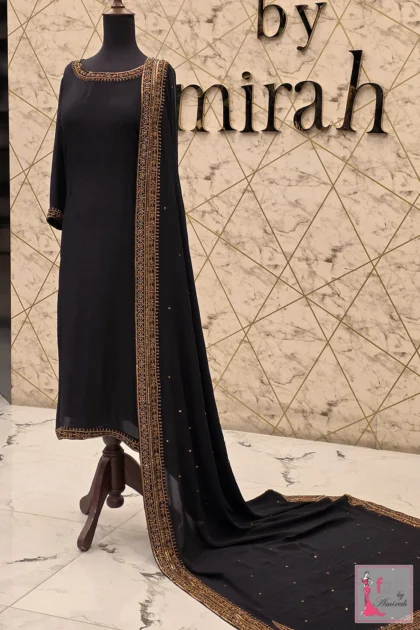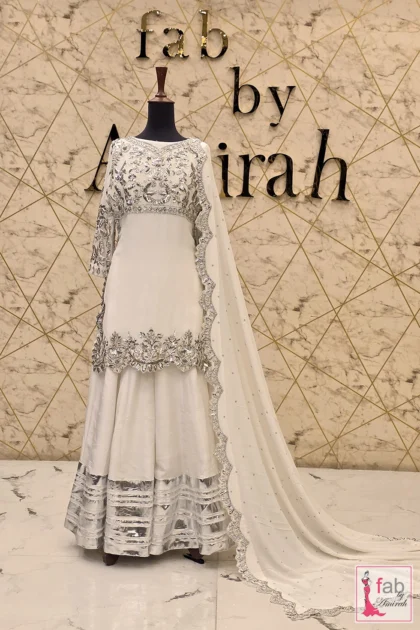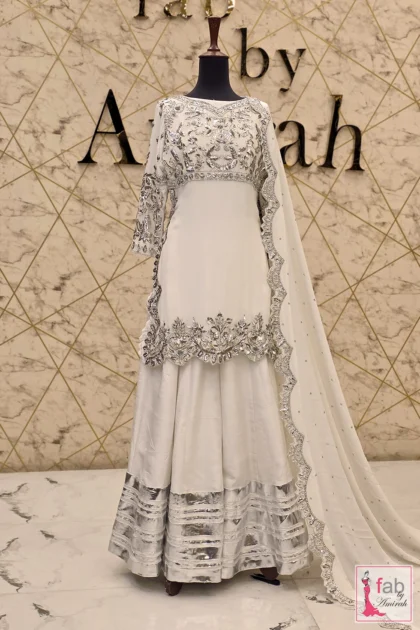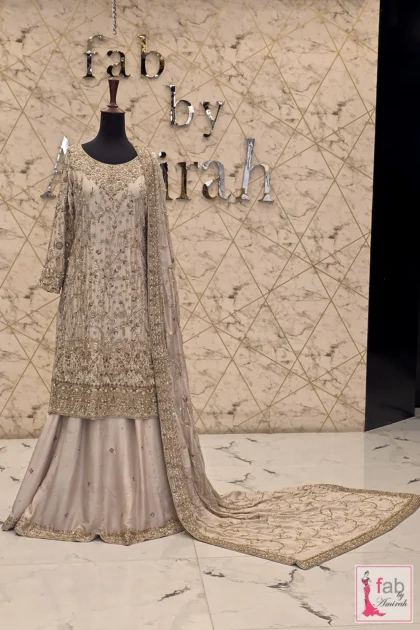
Evaluating jewel tones vs pastels for wedding attire is one of the most transformative style decisions a bride or groom will make during trousseau planning. Color does far more than dictate aesthetic harmony; as highlighted across Vogue India’s bridal couture reports, your palette sets the emotional tone of your celebration, dictates how your ensemble interacts with venue lighting, and anchors your bridal photographs for decades to come. Selecting between jewel tones vs pastels for wedding events helps define your signature look.
Whether you are drawn to the royal grandeur of rich velvets or the romantic softness of floating organza, contrasting jewel tones vs pastels for wedding functions requires evaluating venue ambience, ceremony timing, and skin undertones. This guide breaks down both iconic color families so you can choose your signature palette with total confidence.
Understanding the Palettes: Regal Intensity vs. Soft Romance
The Power of Jewel Tones
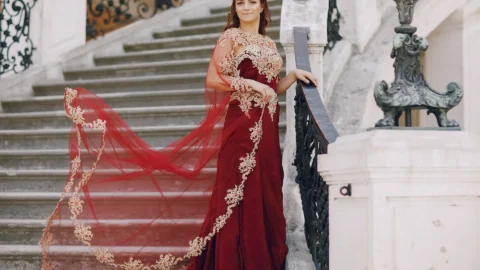
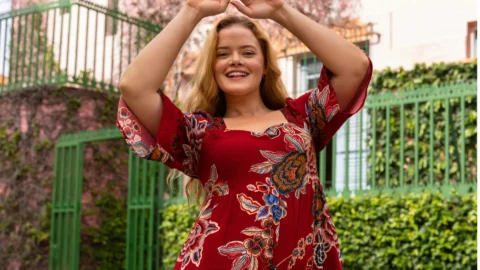
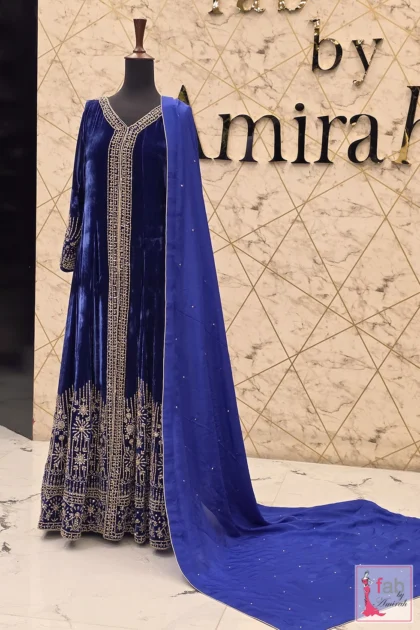
Jewel tones—including royal crimson, deep maroon, emerald green, midnight navy, and rich plum—derive their names from precious gemstones. These deep, saturated hues carry centuries of heritage in South Asian bridal wear.
- Vibe: Regal, dramatic, opulent, and authoritative.
- Best Suited For: Traditional Barat ceremonies, evening receptions, winter weddings, and grand indoor ballroom settings.
The Charm of Pastel Tones
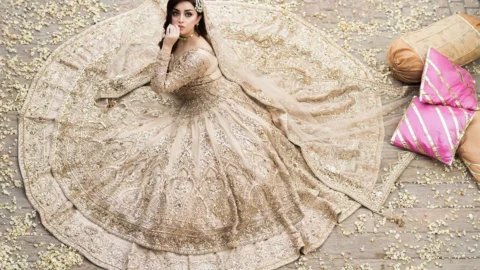
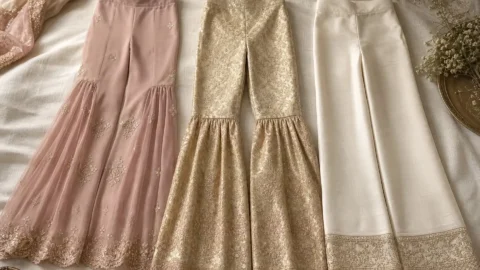
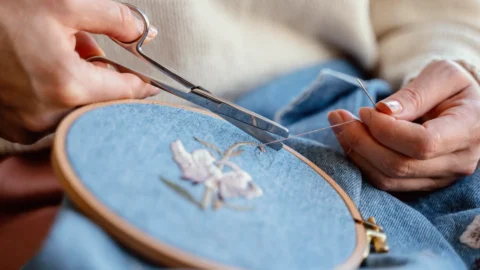
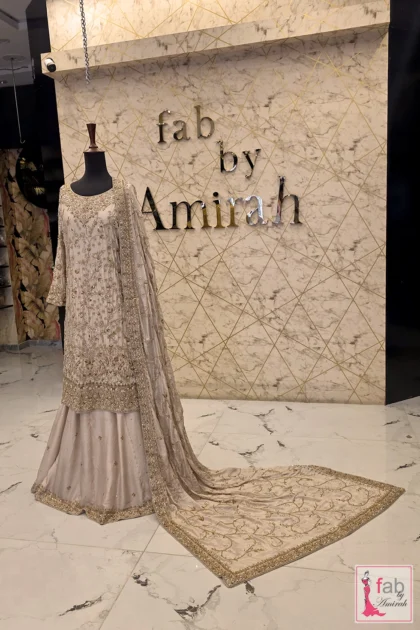
Pastels—such as dusty rose, blush pink, mint green, powder blue, peach, and muted champagne—offer a softer, highly contemporary alternative. Popularized by modern couture runways, pastels bring a dreamy, weightless aesthetic to bridalwear.
- Vibe: Romantic, airy, ethereal, and understated.
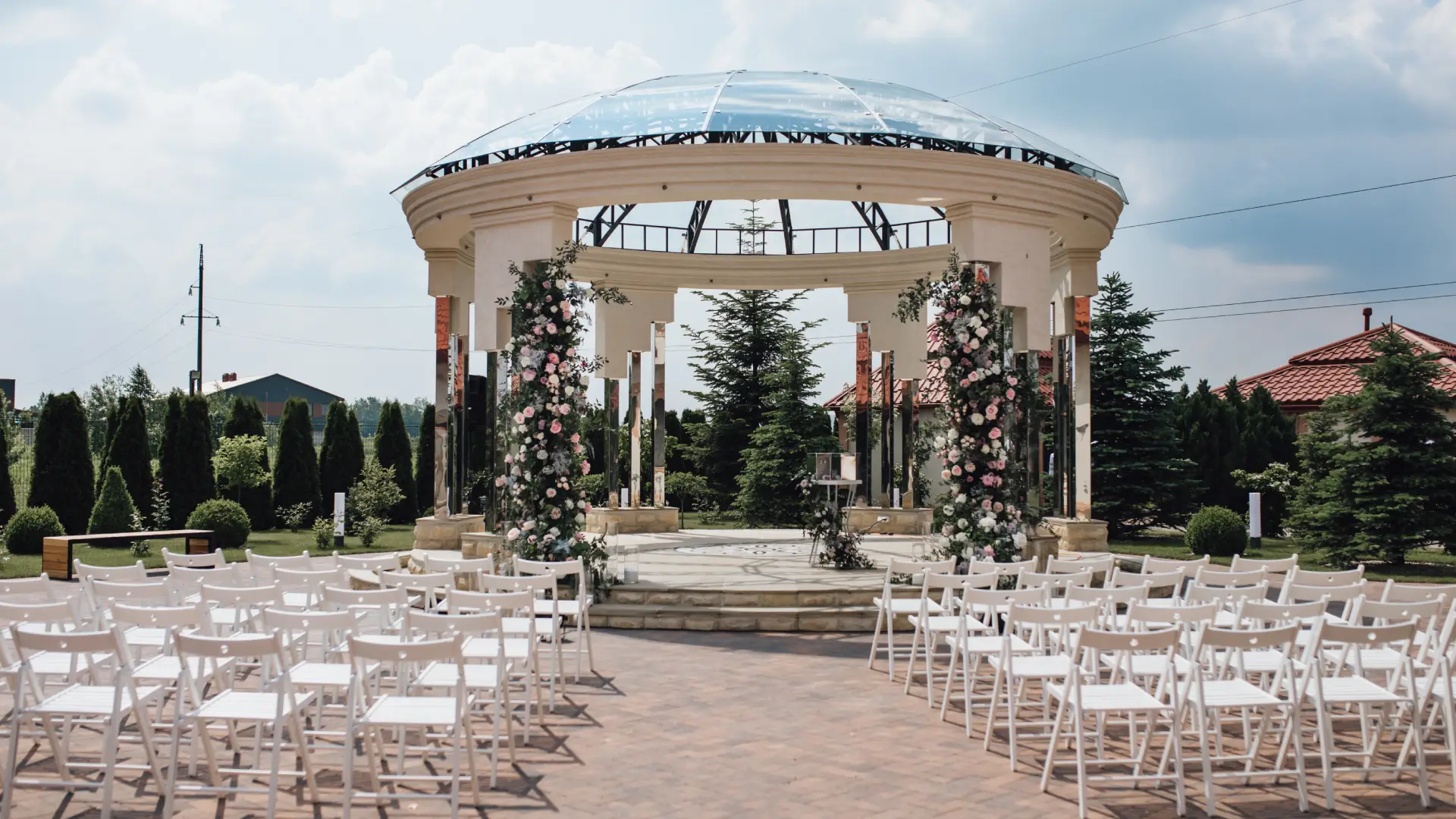
- Best Suited For: Daytime Nikah ceremonies, outdoor destination events, spring/summer functions, and intimate Dholki gatherings.
Comparing Jewel Tones vs Pastels for Wedding Functions
Selecting the right color family often depends on the specific event, time of day, and lighting conditions:
| Design Consideration | Rich Jewel Tones | Soft Pastel Shades |
| Ideal Time of Day | Late afternoon to night ceremonies | Early morning to late afternoon functions |
| Best Fabric Pairings | Heavy raw silk, velvet, brocade, jacquard | Sheer organza, tissue silk, tulle, light georgette |
| Embroidery Contrast | Traditional Zardozi hand embroidery, tilla, Dabka | Antique silver threadwork, micro-pearls, cut-dana |
| Venue Compatibility | High-contrast indoor lighting & chandeliers | Open-air gardens, beachside lawns, natural sunlight |
Evaluating jewel tones vs pastels for wedding schedules allows multi-day brides to enjoy the best of both worlds across different functions when shopping our Barat and Nikah bridal collection.
4 Factors to Determine Your Signature Palette
1. Venue & Lighting Conditions
Artificial venue lighting and photography flash absorb lighter shades while enhancing deep saturation. If your main ceremony takes place in an indoor banquet hall under warm chandelier lighting, jewel tones hold their depth effortlessly. Conversely, outdoor garden ceremonies under natural sunlight bring out the subtle nuances of pastel threadwork.
2. Skin Undertone Harmony
- Warm Undertones: Warm skin tones shine brilliantly in deep crimson, emerald green, warm gold, peach, and coral.
- Cool Undertones: Cool skin tones pair beautifully with deep navy, royal purple, dusty rose, mint green, and icy champagne.
3. Embroidery Weight & Craftsmanship
Heavy metallic handwork behaves differently depending on the background fabric. Dark jewel-toned bases create sharp, high-definition contrast against gold wirework. Pastels absorb embellishments for a soft, monochrome shimmer where embroidery melts gracefully into the fabric. For foundational advice on fitting and silhouettes, read our complete guide on choosing the perfect bridal lehenga.
4. Seasonal Aesthetic Alignment
Comparing jewel tones vs pastels for wedding seasons reveals clear natural pairings. Autumn and winter functions naturally call for the warmth of deep burgundy and navy, while spring and summer celebrations favor breathability and light pastel tones.
Can You Mix Both Palettes?
You do not have to restrict your wardrobe strictly when weighing jewel tones vs pastels for wedding choices. Mixing both palettes creates visual balance across multi-day celebrations:
- Event-by-Event Rotation: Wear a mint green or dusty rose ensemble for your daytime Nikah or Mehndi, followed by an opulent deep maroon or plum lehenga for your evening Barat.
- Dual Dupatta Styling: Pair an ivory or pale champagne bridal skirt with a deep crimson or velvet emerald dupatta draped over the shoulder.
- Contrasting Embroidery: Incorporate jewel-toned resham threadwork—such as ruby floral motifs—across a light blush or peach silk base.
Deciding between jewel tones vs pastels for wedding celebrations ultimately comes down to creating a personal aesthetic that reflects your individual style.
Frequently Asked Questions
Are jewel tones or pastels better for evening Barat ceremonies?
Deep jewel tones like maroon, royal blue, and emerald green are traditionally favored for evening Barat functions because they hold their saturation under artificial lighting and flash photography.
Can petite brides wear heavy jewel-toned bridal lehengas?
Yes! Petite brides can wear jewel tones by choosing monochrome sets (matching top and skirt colors) with vertical embroidery lines to keep the silhouette continuous and elongated.
Final Thoughts: Crafting Your Signature Bridal Vision
Whether you lean toward the dramatic heritage of rich jewel tones or the delicate elegance of modern pastels, your choice should honor your personal confidence. Balancing jewel tones vs pastels for wedding functions across your trousseau ensures your festive wardrobe remains versatile, memorable, and timeless.