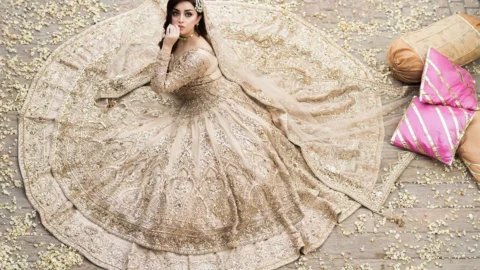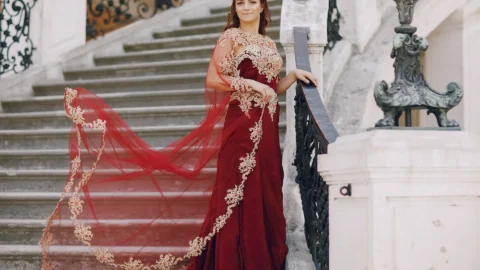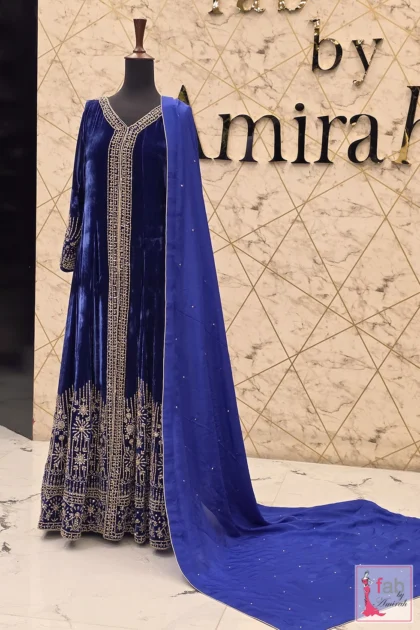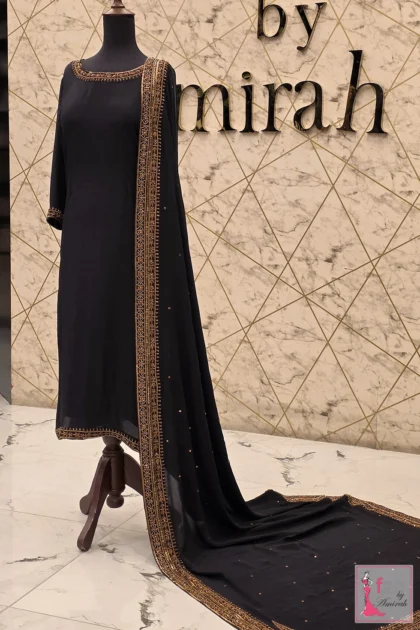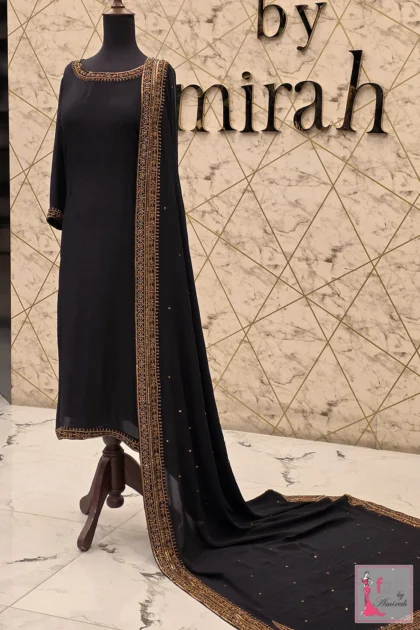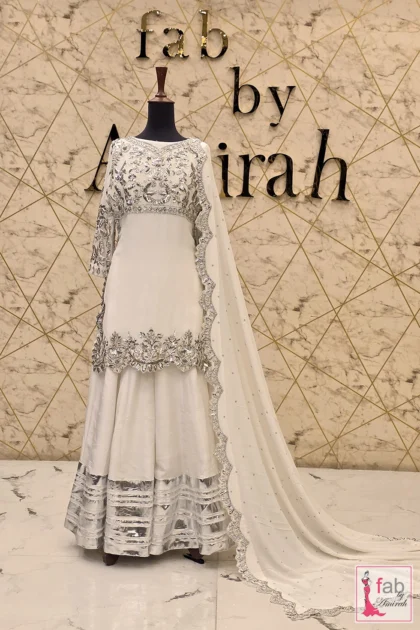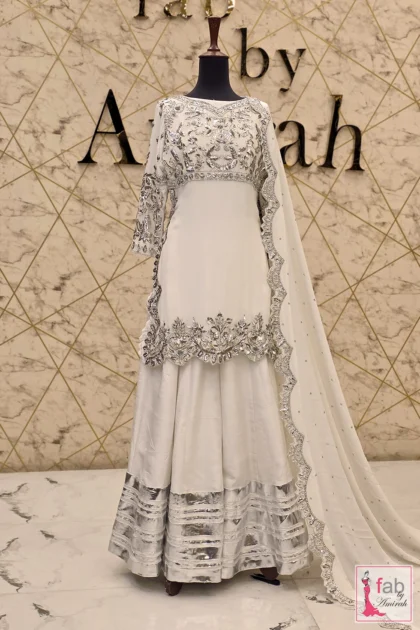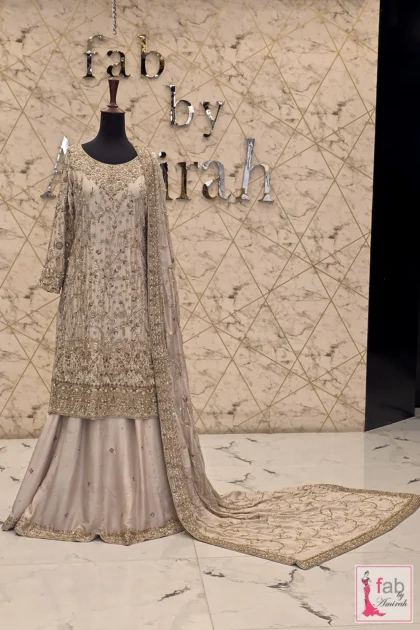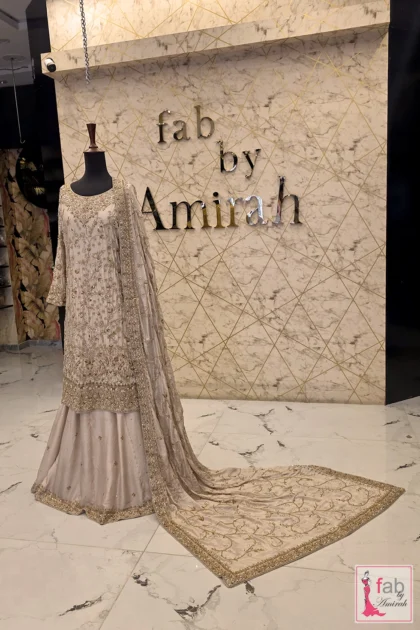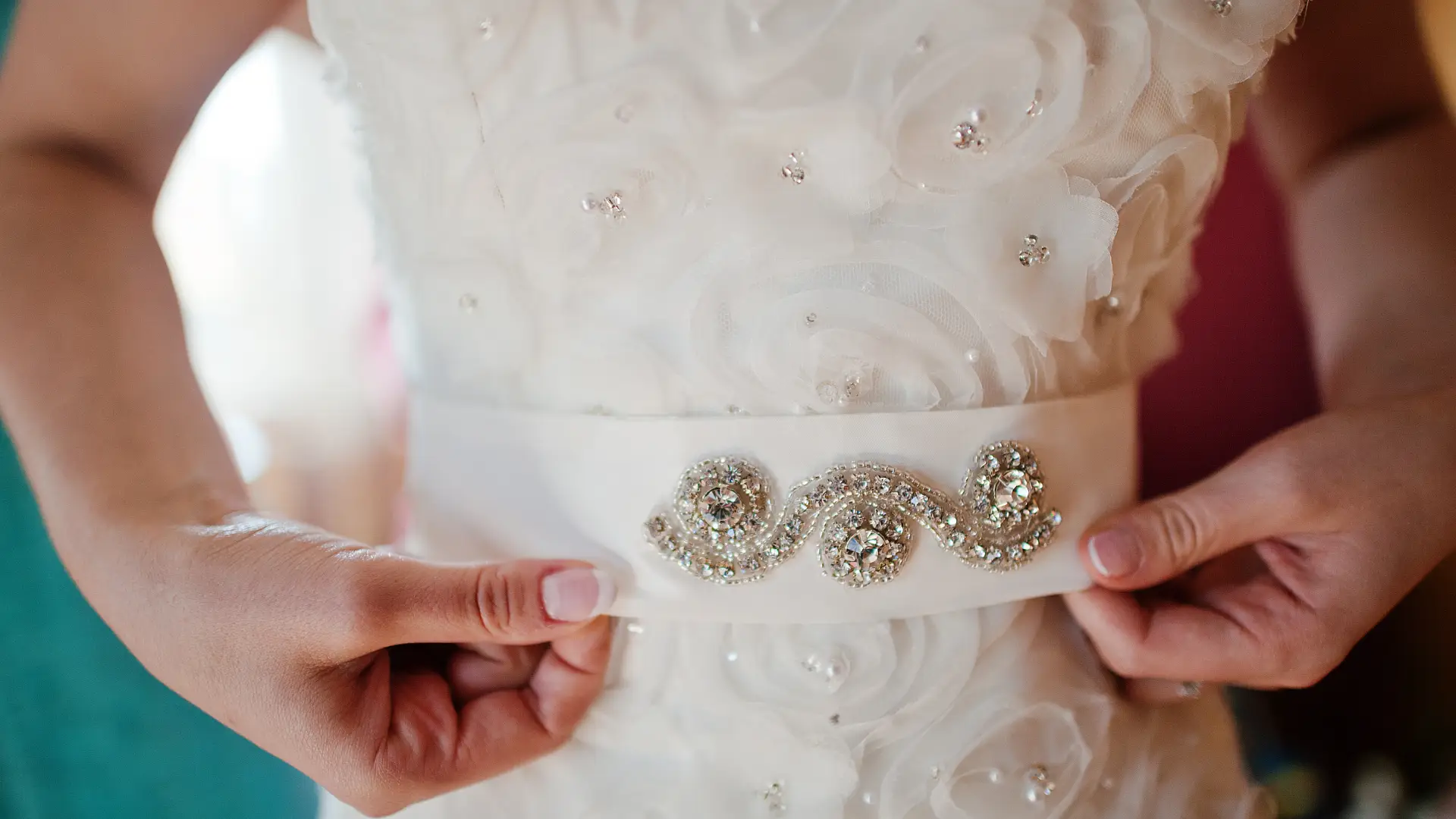
Mastering the art of preserving silk and zardozi bridal wear ensures that your most cherished wedding ensemble remains a radiant family heirloom for decades to come. A bespoke bridal lehenga or sherwani crafted from pure raw silk and intricate metallic handwork is far more than a single-day outfit—it is a wearable work of art representing hundreds of hours of artisanal devotion. Without proper archival care, however, humidity, improper hanging, and trapped air can oxidize delicate wires and weaken natural silk fibers.
Whether you are storing a custom piece from our Barat and Nikah bridal lehenga collection or safeguarding a family heirloom, preserving silk and zardozi bridal wear requires a deliberate post-wedding routine. Drawing on museum textile conservation standards, this comprehensive guide walks you through cleaning, folding, and climate-controlled storage for preserving silk and zardozi bridal wear across generations.
1. Why Preserving Silk and Zardozi Bridal Wear Requires Specialized Care
Understanding the raw materials inside your garment explains why standard wardrobe storage fails over time. Authentic traditional Zardozi metallic threadwork relies on coiled copper, silver-gilt, or brass bullion wires (dabka and kora), alongside delicate glass beads, sequins, and silk threads.
- Metallic Oxidation: Exposure to moisture, perfumes, and synthetic plastic garment bags triggers chemical oxidation, causing bright antique gold wires to darken or turn brittle.
- Tensile Stress on Silk: Natural raw silk, organza, and tissue silk possess high visual luster but delicate structural weave. Supporting several kilograms of handwork on a narrow hanger stretches shoulder seams permanently.
- Hidden Organic Stains: Invisible traces of perspiration, bridal henna, floral petals, or food oils oxidize slowly over months, turning into stubborn yellow stains if left unaddressed immediately after your wedding festivities.
Taking proactive steps toward preserving silk and zardozi bridal wear immediately after your reception prevents irreversible fiber and metal fatigue.
2. Immediate Post-Wedding Routine (First 7 Days)
The first week after your wedding functions concludes is the most critical window for preserving silk and zardozi bridal wear:
- Air Out the Ensemble: Lay your lehenga skirt, choli, and dupattas flat on a clean cotton sheet in a cool, dry, shaded room for 24 hours. Avoid direct sunlight, which fades natural silk dyes.
- Inspect for Loose Beads or Threads: Check hem borders and sleeve cuffs for snagged dabka coils or loose pearls. Securing minor threads early prevents cascading unraveling during cleaning.
- Avoid DIY Spot Cleaning: Never apply water, club soda, or household stain removers to raw silk or velvet. Water leaves permanent rings on silk and accelerates tarnishing on surrounding metal wires.
- Consult a Couture Dry-Cleaning Specialist: Entrust your outfit exclusively to professional textile conservators experienced with heavy hand-embroidered couture—never standard commercial dry cleaners whose harsh solvents strip metallic plating.
3. The Golden Rules of Archival Folding and Wrapping
Once professionally cleaned and aired, how you wrap and fold your garment determines its longevity when preserving silk and zardozi bridal wear:
- Never Use Plastic Garment Bags: Vinyl and plastic covers trap ambient humidity and release chemical gases that tarnish metallic threads and yellow natural silk.
- Wrap in Unbleached Muslin (Malmal): Enclose each piece individually in washed, unbleached, acid-free white cotton muslin. Muslin allows the fabric to breathe while blocking dust and light.
- Pad the Folds with Acid-Free Tissue: Place rolled sheets of acid-free tissue paper inside every fold crease. This cushions heavy zardozi motifs so metallic coils do not press against or snag adjacent silk panels.
- Store Flat in a Breathable Box: Place wrapped pieces flat inside a sturdy, acid-free archival storage box or cedar-lined wooden trunk rather than stacking heavy items on top.
To understand the intricate layers inside your embroidery before folding, explore our guide on 120+ hours of zardozi hand embroidery.
Quick Storage Reference: Do’s vs. Don’ts
Follow this checklist whenever preserving silk and zardozi bridal wear at home:
| Storage Factor | Recommended Archival Practice | What to Avoid |
| Wrapping Material | Unbleached pure cotton muslin (malmal) | Plastic zip bags, vinyl covers, colored cloth |
| Garment Position | Stored flat in a spacious trunk or archival box | Hanging on padded or wire wardrobe hangers |
| Fold Protection | Cushioned with acid-free tissue paper rolls | Sharp, unpadded creases over metallic work |
| Moisture & Pest Control | Silica gel packets wrapped in muslin pouches | Naphthalene mothballs touching silk directly |
| Annual Maintenance | Airing out and refolding along new lines every 6 months | Leaving untouched in damp basements or attics |
4. Managing Climate, Humidity, and Annual Refolding
Seasonal humidity fluctuations in South Asia pose the greatest long-term threat when preserving silk and zardozi bridal wear:
- Silica Gel Over Mothballs: Never place chemical mothballs directly inside your bridal trunk, as their vapors react chemically with metallic zardozi wires. Instead, tuck small pouches of food-grade silica gel or dried neem leaves wrapped in muslin into the corners of your storage box.
- Six-Month Refolding Routine: Twice a year—ideally during dry autumn and spring weather—remove your ensemble from storage, air it out indoors for a few hours, and refold it along slightly different crease lines to relieve tension on the silk weave.
Frequently Asked Questions
How should I store heavy velvet and silk bridal wear when preserving silk and zardozi bridal wear long-term?
Always store heavy velvet and raw silk ensembles flat inside a breathable box wrapped in unbleached white cotton muslin, with acid-free tissue paper placed between folds to prevent metallic embroidery from crushing the fabric pile.
Can tarnished zardozi embroidery be restored if a family heirloom has darkened?
Yes. Skilled atelier artisans (karigars) can carefully re-polish oxidized silver-gilt threads or replace damaged dabka and kora sections onto fresh silk panels while preserving the original heirloom motifs.
Final Thoughts: Honoring Craftsmanship Across Generations
Dedicating time to preserving silk and zardozi bridal wear transforms your wedding attire from a single-day memory into a living family treasure. With gentle specialist cleaning, breathable muslin wrapping, and periodic refolding, the intricate beauty of your silk and metallic handwork will remain luminous for daughters and future generations to admire.